
by David Jin
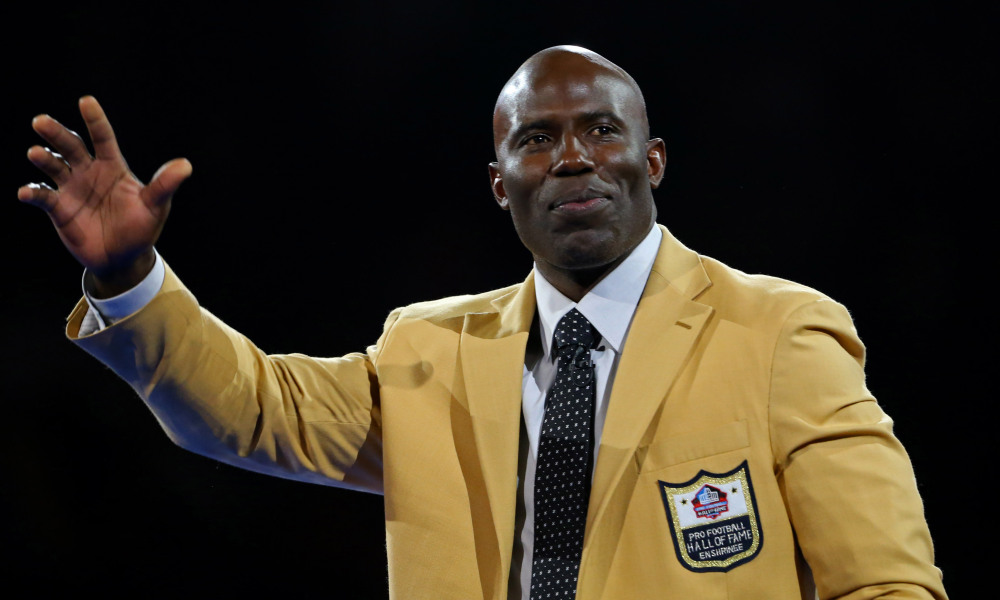
The eleventh year of eligibility was way too long to wait for Terrell Davis to be inducted into the Hall of Fame. For me, as an epileptic, Davis was long in my personal Hall of Fame for how he overcame his condition and became one of the greatest running backs of all time.

My mind is immediately brought to his Super Bowl XXXII performance, where he rushed for three touchdowns after sitting out the nearly the entire second quarter due to a migraine. His 157 yards rushing stunned the Green Bay Packers, who were the favorite by 11, and at the height of young Brett Favre’s powers. His final 1-yard run with 1:45 left on the clock broke the 24-24 tie at which the teams sat. The Broncos lost no yards from scrimmage besides Elway’s final kneels, while in large part due to the savvy blocking schemes of the Denver offense, also was a testament to Davis’s determination to will his team to victory.

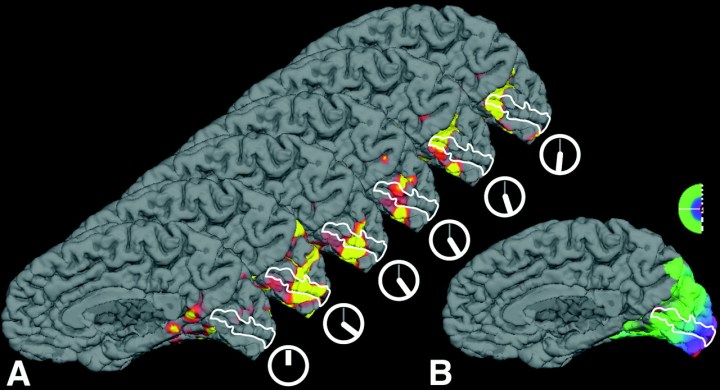
The way Davis described his migraine is not unlike a focal onset seizure (formerly known as a partial seizure). These seizures, as their name suggests, occur in a focused area of the brain. Oftentimes, they begin with a series of sensations called an aura that might indicate the location of the seizure focus. Auras are also known to occur in migraines, and Davis describes his aura as a complete loss of vision. He noticed it coming on after a hit by a defender.
You see, there is an emotional component to dealing with epilepsy that is not played out on camera. When you feel an aura coming on, there is not only sense of dread thinking to oneself “oh no, it’s happening again”, but also that dread of the judgment you will incur from your loved ones. There are many “I told you so” moments that you know will ensue, why did you choose to stay up late, why did you down so much caffeine, why did you not do everything you could to prevent this. Indeed, Davis’s mistake was that he had forgotten to take his medication (honestly, the most preventable mistake), which he usually did prior to the game. He had the emotional fortitude to shake off the error, and move on, and keep playing in the biggest game of his life. To me, an epileptic, this is a brilliant example of resilience, of moving on from what happened, and turning dread into determination.
While many describe Davis’s performance as heroic for his continuing to play in the game, I believe that he set an even greater example by not playing through most of the second quarter. There are many examples of athletes sacrificing themselves to win, like Michael Jordan’s Flu Game or Philip Rivers playing on a torn ACL in the AFC Championship. These performances are deified over and over, and teach an arguably unhealthy mindset that constant physical sacrifice is what is best for those around you. By not playing in the second half, Davis performed an exemplary strategic retreat, in which he waited for his medication to kick in and clear away the migraine. For those with epilepsy, there are nights where you just have to call it after a seizure. Your residual headache is just too painful to allow you to concentrate on your work, and the memory loss that comes with a seizure, though only temporary, makes your work inefficient and unsatisfactory. It is frustrating leaving so much unfinished, and it often takes a moment to pause and realize that yes, you have the ability to execute your duties, and you will. Just not at this moment. Davis’s ability to make this strategic retreat for a quarter makes his performance all the more mature and inspiring.
Fortunately for those with medical conditions, many supervisors will be understanding with the condition. Take the time you need. Come back when you’re fresh. I want you to do everything at 100%. Many supervisors will heed doctors’ advice, and help you deliver a strong performance as an employee or student and maintain a healthy work-life balance. Davis, however, had no such luck. In a tragic epilogue to his Super Bowl MVP performance, he would first join the 2,000-yard rushing club with a 2,008 rushing yard MVP season, but then be beset by injuries like an ACL, MCL, and most tellingly, a stress reaction injury, being forced to retire after only seven seasons in the league. I believe that his body was ground to dust by his supervisor, head coach Mike Shanahan.


Shanahan has an infamous disregard for player safety, and it was most definitely on display in Super Bowl XXXII. Fifteen seasons prior to ruining the career of Robert Griffin III, Shanahan was already at it. Rather than keep Davis on the bench, Shanahan proudly trotted him out as a goal line decoy for a fake handoff while still in the depth of his blindness. It led to a much-needed touchdown, but it was still a stunning display of disregard for player safety; if the defenders had bitten harder on the fake handoff and were fast enough, he could have been crushed. Worse yet, he could have taken another shot to the head, exacerbating his existing migraine or getting a game-ending concussion. Davis was able to excel even with a supervisor saying that you can play at 100% even if your body isn’t at 100%, you don’t need to take time off, even if it’s only as long as it takes for your medicine to kick in; football is your life so there is nothing with which you must balance it. For many with medical conditions, a supervisor like that might require changing jobs; for me, I was forced to give up a double major in my undergraduate studies by professors who would not permit an extra day to complete a problem set. It is a testament to Davis’s resilience and desire to win that he could excel even under these circumstances.
Not every Hall of Fame performance is obviously displayed on field. A combination of factors, both under and not under his control led to Davis showing the nation the conditions he needed to overcome in order to be a successful player. Having to wait eleven years till induction was probably the product of his short NFL career, but the medical condition which he had to overcome made each and every game a Hall of Fame-worthy victory.

Sources:
https://www.pro-football-reference.com/players/D/DaviTe00.htm
https://www.pro-football-reference.com/players/D/DaviTe00/gamelog/post/
https://www.foxsports.com/nfl/story/my-big-game-moment-terrell-davis-dealt-with-his-pain-121613
https://www.npr.org/2013/01/09/168967273/for-the-good-of-the-player-or-the-team
https://www.webmd.com/epilepsy/seizure-with-aura
http://www.pnas.org/content/98/8/4687
 HEX Sports